
Austria and MiCA: clarity, complexity, and compliance in 2026
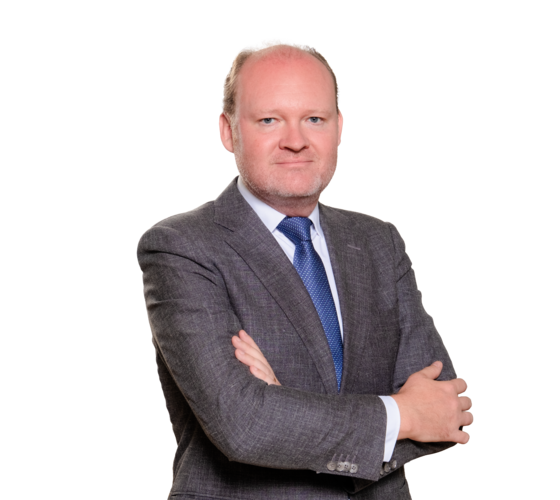

By Dr. Oliver Völkel, LL.M. and Jara Erhard, LL.M.
Published in the Global Legal Insights – Blockchain & Cryptocurrency Regulation 2026 (8th Edition)
With MiCAR now almost a year in force, the Austrian landscape has gained more clarity, but also more complexity. MiCAR is just the tip of the iceberg – countless Regulatory Technical Standards (RTS) and Implementing Technical Standards (ITS) issued by ESMA and the EBA supplement the regulation, and keeping pace with all changes is a challenge. That’s why we maintain a resource page on gomica.eu to help consolidate the evolving legal framework and developments.
Austria’s proactive regulator
The Austrian Financial Market Authority (FMA) goes beyond classic watchdog duties: it fosters fintech innovation and offers legal certainty by publishing detailed guidance, such as a roadmap and a comprehensive information document for crypto-asset service provider (CASP) applicants. A notable plus for international applicants: the FMA also accepts documentation in English and operates a regulatory sandbox for startups, allowing them to test innovative fintech and crypto business models under supervisory guidance and temporary licensing. Successful models may transition into full regulation.
The legal classification of crypto-assets under MiCAR
Under MiCAR, 'crypto-assets' now have a precise legal definition in the EU, and the law distinguishes between asset-referenced tokens (ARTs), e-money tokens (EMTs), and other crypto-assets (OCAs). Issuers must typically prepare a white paper, and stricter rules apply to ARTs and EMTs, including prior FMA approval or a license. For crypto-assets that qualify as financial instruments (e.g., a security token), MiFID II, the EU Prospectus Regulation, and local securities law continue to apply.
Beyond MiCAR – a wider regulatory landscape
Austria's crypto regulatory environment extends far beyond MiCAR. It includes the MiCA-VVG, which designates the FMA as the competent authority, the FM-GwG for AML compliance, and the AIFMG and InvFG for investment fund rules. Crypto taxation is now codified in § 27b EStG, applying a 27.5 % capital gains rate. Crypto mining, investment fund exposure, cross-border transfers, and even inheritance of digital assets are now addressed in Austrian law – highlighting how comprehensive and interconnected the legal landscape has become.
A comparative global perspective
Our chapter on Austria in 'Global Legal Insights – Blockchain & Cryptocurrency Regulation 2026' provides a detailed overview of how MiCAR interacts with domestic Austrian law. The publication forms part of a global comparative project that analyses blockchain and crypto-asset regulation across 29 jurisdictions worldwide.
Want to dive deeper into topics such as crypto-asset taxation, CASP licensing, mining regulation, investment fund restrictions, or estate planning with digital assets?
Read the full chapter here: Global Legal Insights – Blockchain & Cryptocurrency Regulation 2026 (Austria)
About the authors
Dr. Oliver Völkel, LL.M. is a partner at CERHA HEMPEL, specialising in banking and capital markets law as well as crypto-asset regulation. He advises major international crypto institutions, banks, and DeFi projects and lectures regularly on digital finance law.
Jara Erhard, LL.M. is an associate in CERHA HEMPEL's Crypto & FinTech team. She focuses on MiCAR licensing procedures, regulatory classification, and compliance of crypto-asset service providers.
Further reading:
• FMA Information Document for CASP Applicants
• Tax Treatment of Crypto-Assets – Austrian Ministry of Finance